Wednesday, November 2, 2011

Dead Words


This is one of my favorite lessons for October! To practice using a thesaurus and improving word choice in our writings, my class chooses words to bury. These ‘dead words’ are either over used words or weak words. First, my class brainstorms words that we use too often or that aren’t very strong at getting our thoughts across to the reader. I have a container that holds dead words written on slips of paper. The students reach in and pick a word. They have to think of how they use this word: is it a verb, an adjective, or an adverb. Then, they use the classroom thesauruses to look it up. I require 12 alternatives, and this makes the task more challenging, as most of the words do not have that many substitutions in our thesauruses. Thus, the students often get on the classroom computers to look up other synonyms, or they brainstorm with other students. Once they have their list, they create gravestones. Once the gravestones are ready, we hold a ceremony to say goodbye to the dead words and bury them. The posters, then, hang where everyone can read them (and help create a bit of a Halloween mood too, I might add), but most importantly, when we write the students will point out to each other (and me) when a dead word is used, even after the gravestones are removed.

Tuesday, November 1, 2011

Skeletal System


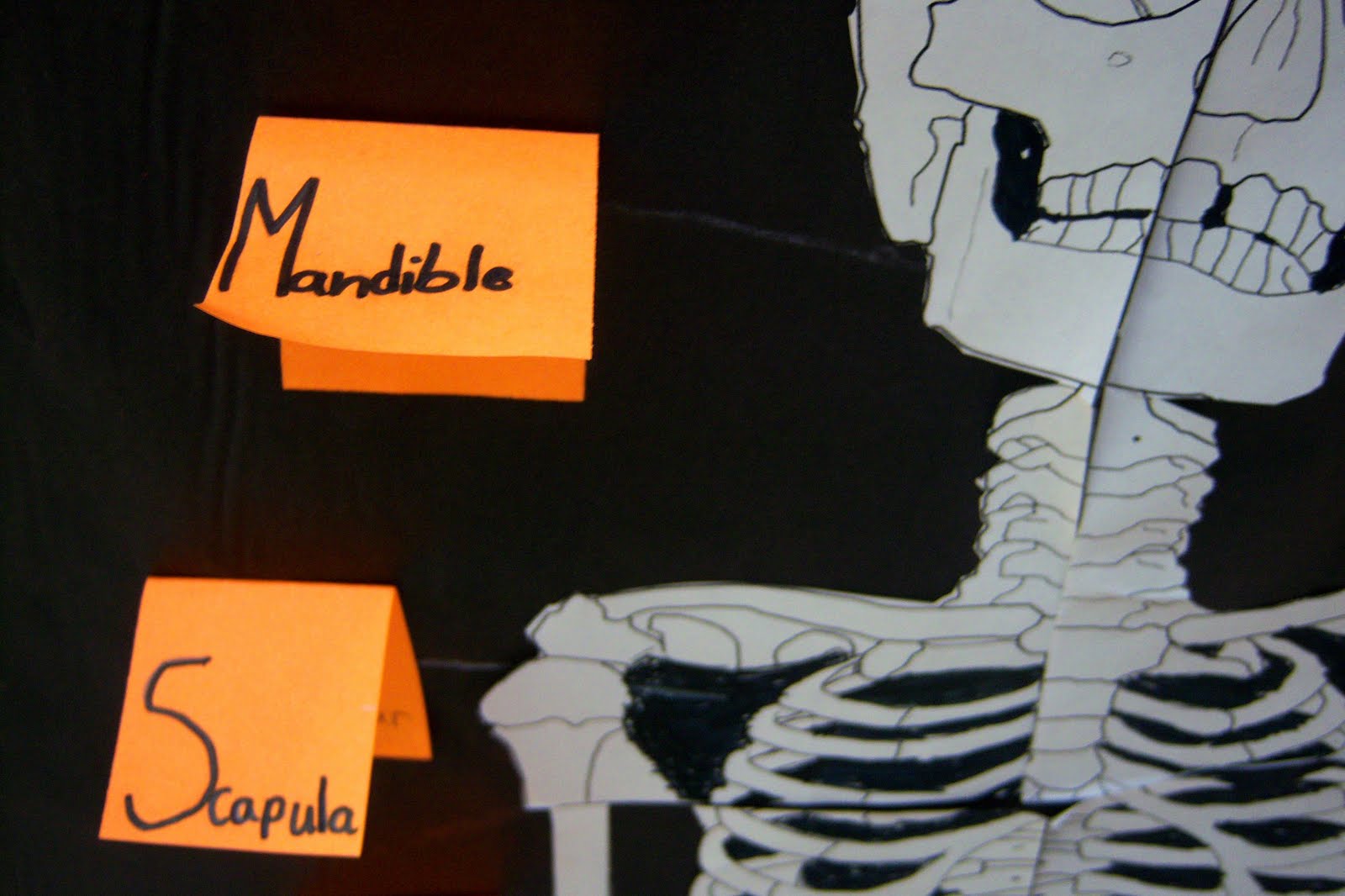
My class just finished learning about the skeletal system. We used http://www.eskeletons.org/pdf/000646791.pdf for the printable skeletons. I put the students in small groups and explained that bones have 3 possible jobs: provide structure, allow movement, or protect organs. In their groups, the students had to decide the job/s of the major bones. They then cut the skeletons out, assembled them on black butcher paper, labeled bones, and told the job/s they thought the bone did.

Monday, October 31, 2011

State Cookies


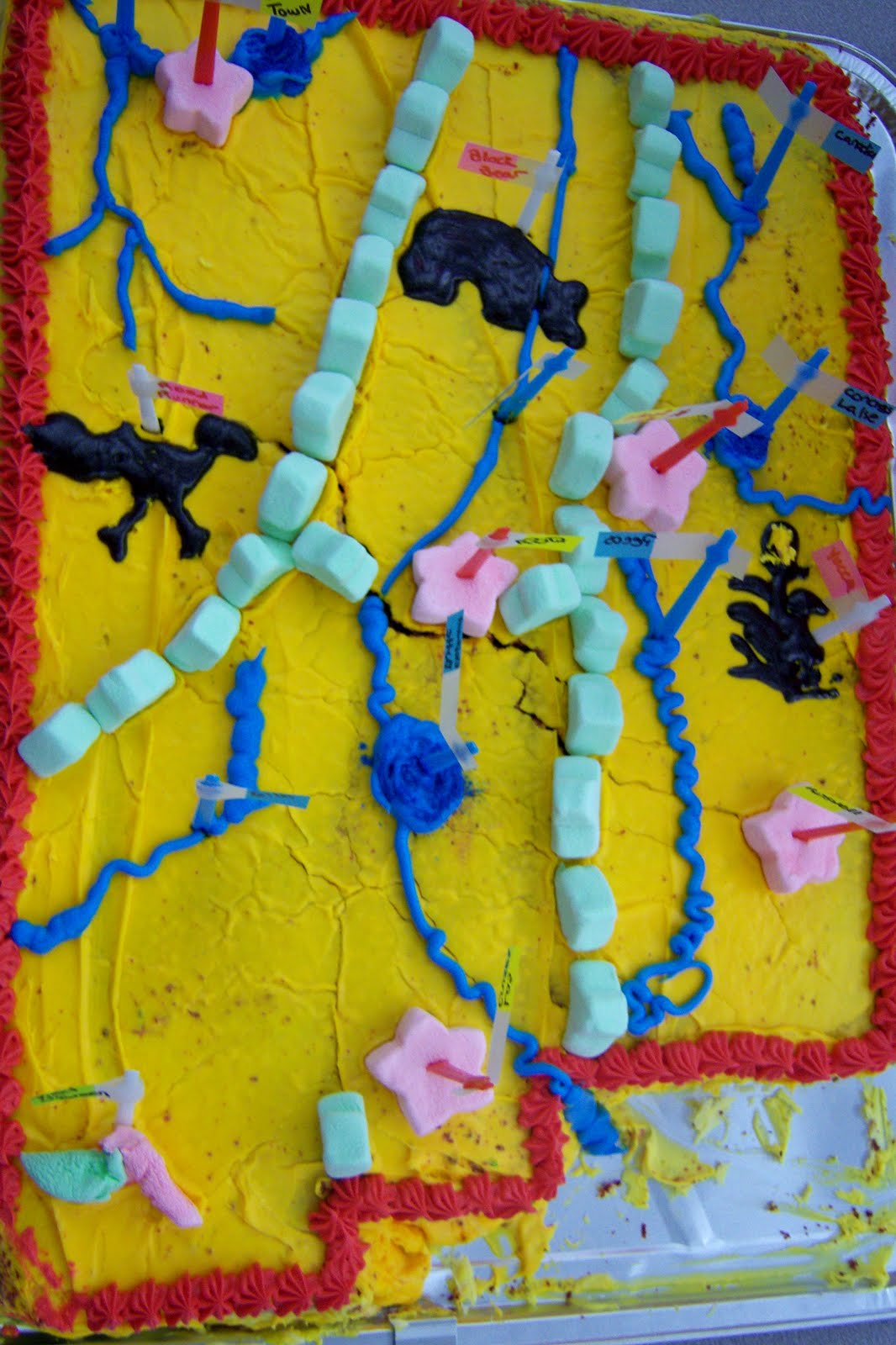
These are just a few of the state cookies my students brought in today! After learning all about our state's regions, rivers, cities, landforms, and points of interest, they had to create a cookie to show this new info off!

Thursday, October 20, 2011

State Brochure


We are working on the locations that make NM interesting and unique. After reading and researching points of interest, including state and national parks and monuments, the students had to choose a required number of each to write about. A script was provided for developing writers, but strong writers were encouraged to use stronger voice in their writings. No matter which writing style they chose, the same content was required: What is the place called? Where is it located in the state? What is one interesting fact about it? What is something you might learn about it or the state if you visit it?

The brochure was created using am 11” x 18” piece of construction paper that was accordion folded. The cover had to feature an image of NM and the state name. The 4 inside panels focused on specific types of parks , monuments, or events/attractions. The back panel showcased our state’s symbols.

Saturday, October 15, 2011

Flower Parts You Can Eat!


Sorry the image is blurry! I'm also sorry I don't remember where I discovered this idea to give credit; it is a fantastic activity! After studying plant and flower parts, including the foldables I posted before, my students created flower parts they could eat once they labeled them all correctly. The petals are fruit rolls. The stamens are licorice pulls (a single strand). The sepal was a full-size licorice. The pollen was cake/cookie sprinkles. (Tip—put these in a small cup. Have a second cup with water next to it. Have the kids dip the licorice in the water and then in the sprinkles.) We keep the ovary and its breakdown simple at our grade level, but you could get more detailed if needed. A marshmallow and m&m were used.

Ecosystem Dioramas


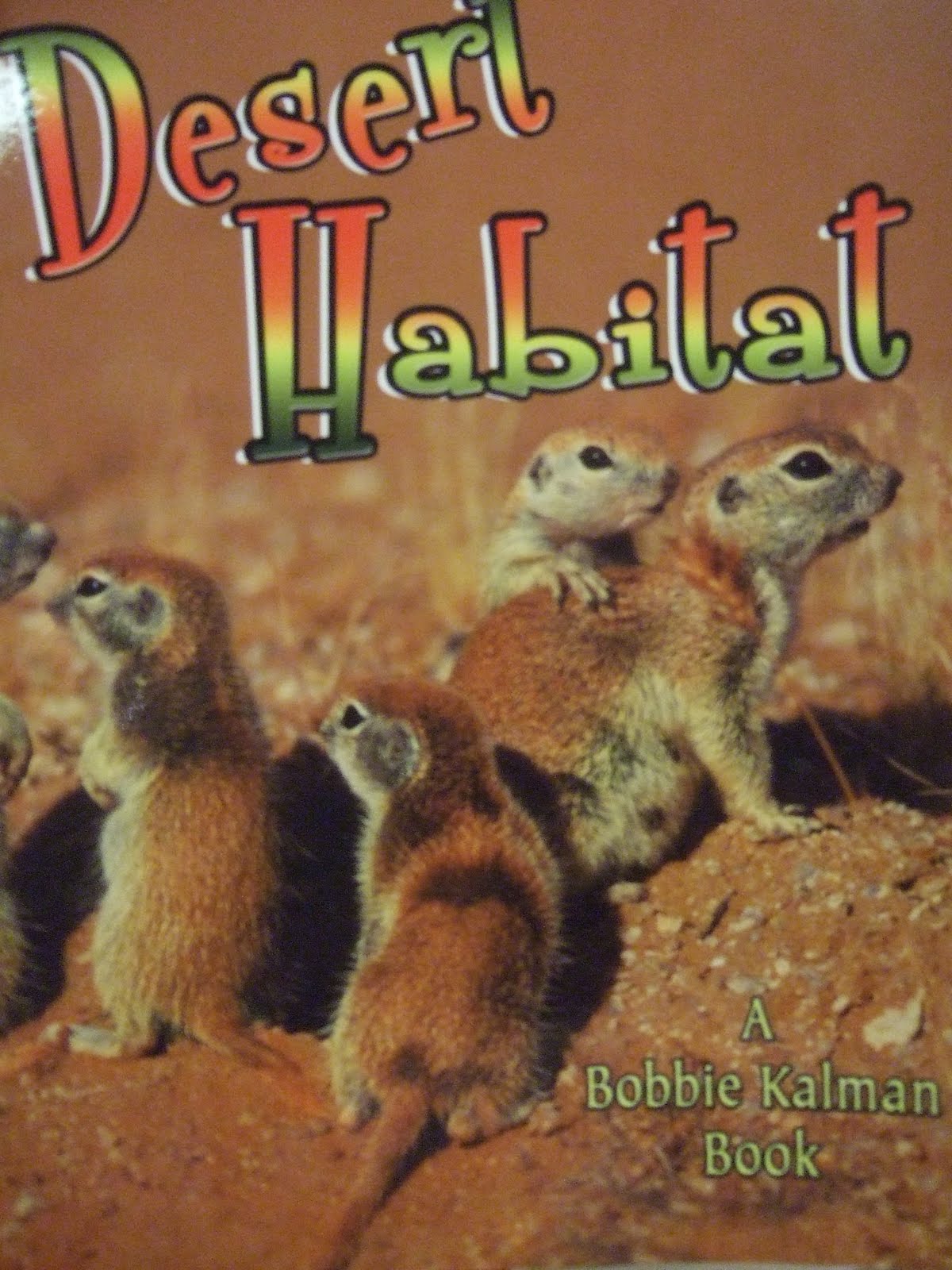
After my students were put into small groups, they drew an ecosystem to study. Books, websites, and other materials were available for the students to use. They had prompts they had to answer, including:
~What are some plants that grow in your ecosystem? Describe some of their adaptations that allow them to thrive.
~What are some animals that live in your ecosystem? Describe some of their adaptations that allow them to thrive.
~Describe the climate, including average seasonal temperatures and precipitation.
The reports were hung over the diorama for others to read.

While the groups were working, I stopped at each to ask questions and prompt them too. The level of engagement was phenomenal.