Thursday, October 20, 2011

State Brochure


We are working on the locations that make NM interesting and unique. After reading and researching points of interest, including state and national parks and monuments, the students had to choose a required number of each to write about. A script was provided for developing writers, but strong writers were encouraged to use stronger voice in their writings. No matter which writing style they chose, the same content was required: What is the place called? Where is it located in the state? What is one interesting fact about it? What is something you might learn about it or the state if you visit it?

The brochure was created using am 11” x 18” piece of construction paper that was accordion folded. The cover had to feature an image of NM and the state name. The 4 inside panels focused on specific types of parks , monuments, or events/attractions. The back panel showcased our state’s symbols.

Saturday, October 15, 2011

Flower Parts You Can Eat!


Sorry the image is blurry! I'm also sorry I don't remember where I discovered this idea to give credit; it is a fantastic activity! After studying plant and flower parts, including the foldables I posted before, my students created flower parts they could eat once they labeled them all correctly. The petals are fruit rolls. The stamens are licorice pulls (a single strand). The sepal was a full-size licorice. The pollen was cake/cookie sprinkles. (Tip—put these in a small cup. Have a second cup with water next to it. Have the kids dip the licorice in the water and then in the sprinkles.) We keep the ovary and its breakdown simple at our grade level, but you could get more detailed if needed. A marshmallow and m&m were used.

Ecosystem Dioramas


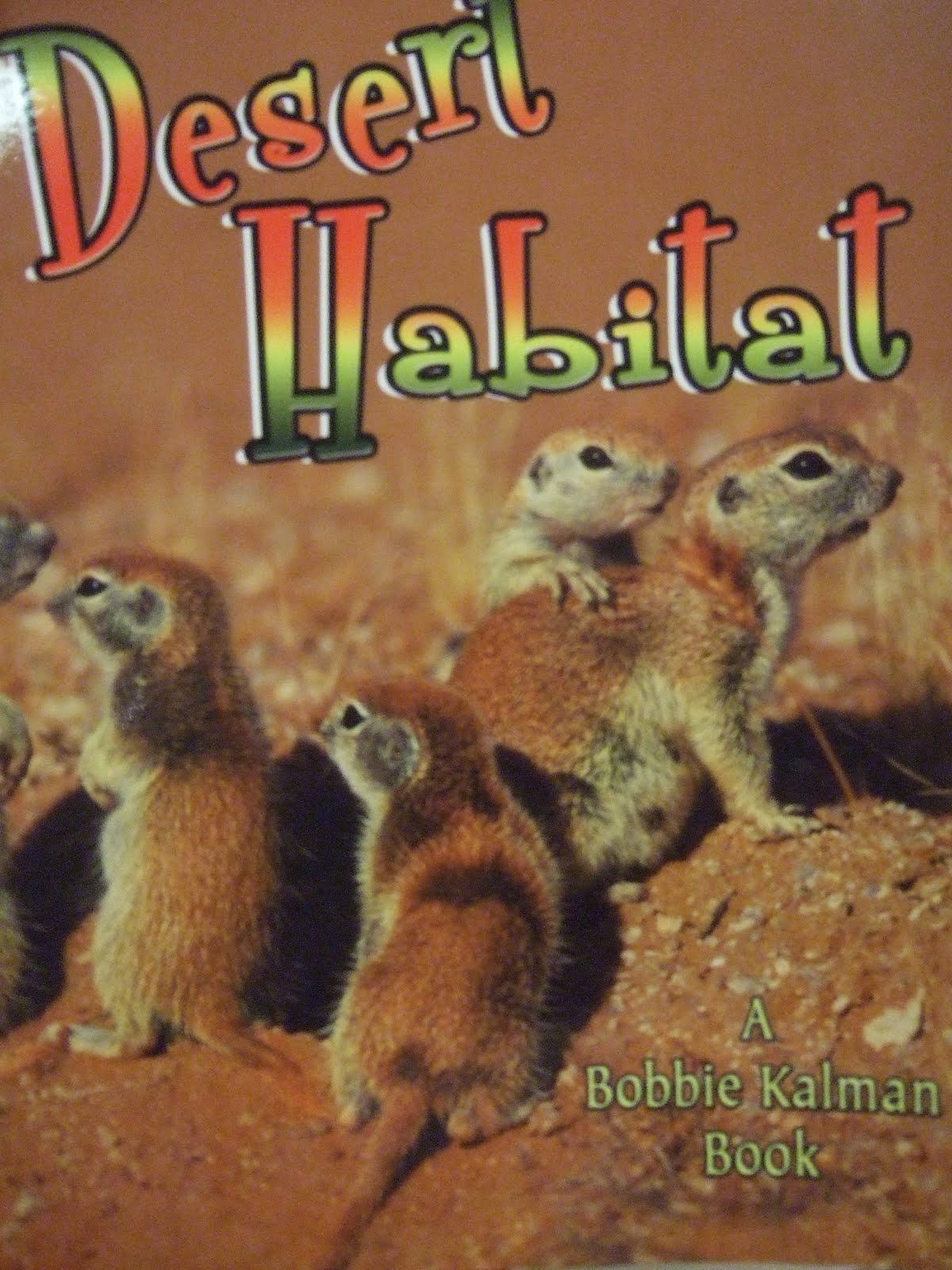
After my students were put into small groups, they drew an ecosystem to study. Books, websites, and other materials were available for the students to use. They had prompts they had to answer, including:
~What are some plants that grow in your ecosystem? Describe some of their adaptations that allow them to thrive.
~What are some animals that live in your ecosystem? Describe some of their adaptations that allow them to thrive.
~Describe the climate, including average seasonal temperatures and precipitation.
The reports were hung over the diorama for others to read.

While the groups were working, I stopped at each to ask questions and prompt them too. The level of engagement was phenomenal.

Wednesday, October 12, 2011

No More "Said"


"Said" is one of those words I see too often in fourth-grade writings. While it isn't off limits totally, I have set a limit of once per paragraph. This poster, then, offers some other options from which students can draw.


"No Said" Printable

Tuesday, October 4, 2011

Cacti Adaptations Model


After reading Cactus Hotel, a wonderful book about the desert ecosystem, food chains in the desert, and cactus adaptations, my students created a model cactus to bring the adaptations to life. As the Styrofoam balls were being painted green, we talked about chlorophyll and its role in photosynthesis. We recalled why many desert plants either don't have leaves (like cacti) or have very small ones (to reduce water loss). The fleshy nature of cacti was also discussed as a water storage feature. Once the balls were dry, the spikes were added. Students were given lengths of floral wire to cut into short pieces. These were poked into the cactus at even distances around it. As they did this, students talked about the protection these provided, both from hungry/thirsty herbivores and subtle shade that is provided. Small, square tissue paper flowers were then added. (Use a pencil with an eraser to shape the tissue paper, dab in glue, and set.) While students did this, we talked about the role of flowers—to attract pollinators. Although we did not make the fruit that follows pollination, we discussed its purpose too—to attract animals that will eat it and spread the seeds to continue the survival of the species. My students were extremely proud of their creations and did exceptionally well on the assessment for cactus (and other plants) adaptations.

Monday, September 12, 2011

Kindness Lesson


I provide my students with the outline and instruct them to create it in their likeness--wearing the same clothing, same hair, same eyes, etc. I let them know these will be one of the first pieces of their work to hang in our hallway, and I give them enough time to work on them for them to understand these are important and real work--not just a chance to color. When they are done, and the figures are cut out, we gather in a circle. I explain to them that when they begin the school year, they are a lot like the figures they've created--the best they can be. We then pass the figures 2 people to the right, and I ask the whole class to look at the image and tell it that it is stupid. As they do this, they crumple the figure. We pass it to the right again, tell it "I don't like you," and crumple it again. After 3-4 passes, it is returned to its owner, and I ask if it looks how it did when we started. Of course, the answer is no. Now, it is usually a little, crumpled ball. I ask them how they feel about what has happened to their hard work and let several students share.

We now pass it around again, the exact way we passed it before. At each stop, we apologize and flatten the figures out as gently and thoroughly as we are able. It is returned to its owner again, and I ask if it looks better than it did the last time it was returned. Yes, it does, but I also ask if it looks like it did when we started. No, it doesn’t. There are wrinkles and little rips in it that our attempts to fix just couldn’t do. I explain that when they start the school year, they are like the images—fresh and as perfect as possible. As we interact with one another, and negative things are said or done to us, it is like the paper being crumpled. We can apologize and try to make things right, but the damage is done and can never be totally undone. We can make it better, but the scars remain.

This is a powerful lesson. The kids are invested in their artwork and feel the shock and pain of watching it ruined, and for most, seeing the images is a reminder of how important their words and actions are to others.